Line Art Floral Duck Embroidery Design Review
As an experienced embroidery designer preparing for a busy weekend craft fair, I spend hours evaluating digital assets before they ever hit the hoop. The market is saturated with generic patterns, but there is always a specific moment when a design catches my eye and makes me think about the potential of a finished product. Today, I am reviewing the Line Art Floral Duck Embroidery Design, a piece that promises to bring a touch of nature-inspired peace to any handmade collection. My goal is to determine if this file deserves a spot in my booth display or if it should remain in the archive.
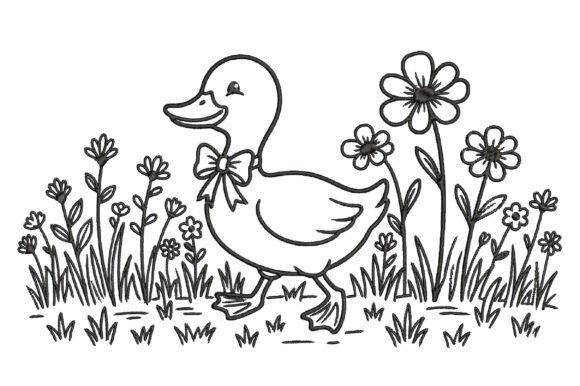
The first impression of the Line Art Floral Duck Embroidery Design is undeniably soft and elegant. Unlike heavy, dense fill designs that dominate a garment, this piece relies on the beauty of clean lines and negative space. It features a cute duck surrounded by wildflowers and grass, creating a composition that feels both rustic and modern. For a craft fair seller, this aesthetic is gold. It fits perfectly into the farmhouse chic trend while remaining versatile enough for boutique makers who prefer minimalism. When I imagine this design stitched onto a natural linen tea towel, the effect is sophisticated yet approachable. It does not scream for attention; instead, it invites the customer to lean in and appreciate the delicate details.
Product Potential: Where This Design Shines
When I visualize the booth setup, I immediately see where the Line Art Floral Duck Embroidery Design will stand out. The simplicity of the line art makes it incredibly adaptable across various product categories. It is not just a pattern; it is a versatile asset for any embroidery business looking to expand their inventory.
- Tote Bags and Market Bags: A tote bag is often the first item a customer sees. Placing the duck and floral arrangement as a small accent on the corner of a canvas tote creates a charming detail that elevates the entire bag. Alternatively, centering it on a large tote provides a bold focal point without overwhelming the fabric.
- Apron Embroidery: For the kitchen-focused crafter, this design is ideal for aprons. The outline style works beautifully on cotton twill, offering a whimsical touch that pairs well with baking or gardening themes.
- Tea Towel Embroidery: This is perhaps the highest selling category for this type of file. The redwork embroidery capability mentioned in the description suggests that using a single thread color on white or off-white fabric would yield a stunning result. The contrast is sharp, making it perfect for gifting.
- Embroidered Patches: The clear outlines make this design an excellent candidate for iron-on patches. Customers love adding these to denim jackets or backpacks, and the nature theme appeals to a wide demographic.
- Caps and Pillow Covers: While caps require careful placement due to curved surfaces, the compact nature of the duck and flowers allows for a neat application on the front panel. On pillow covers, the design adds a cozy, cottage-core vibe that sells exceptionally well during seasonal markets.
Visual Appeal and Customer Engagement
In a crowded booth, visual hierarchy is everything. The Line Art Floral Duck Embroidery Design has a distinct advantage because it photographs exceptionally well for online listings. The clean lines translate clearly in digital mockups, ensuring that an Etsy seller can showcase the product accurately without the image appearing muddy or cluttered. When customers view a printable mockup of a tote bag featuring this design, they can easily envision the texture and quality of the stitches.
This design also supports brand consistency. If you are building a shop around nature, animals, or peaceful living, this file acts as a cohesive anchor. It signals to the buyer that your products are thoughtfully curated rather than mass-produced. The "peaceful nature-inspired" aspect resonates with buyers looking for gifts that feel personal and handcrafted. Whether you are a digital seller offering the file or a boutique maker producing physical goods, the emotional connection created by the duck and wildflowers is a powerful sales driver.
Production Practicality and Selling Strategy
From a production standpoint, this design offers significant advantages for batch manufacturing. Because it relies on outline stitches rather than complex fills, it generally requires less thread and runs faster on the machine. This efficiency is crucial for commercial embroidery projects where time equals profit. However, the success of the final product depends heavily on how the design is executed.
The design works equally well as a small accent or a large focal point, giving you flexibility in pricing strategies. You can offer a subtle embroidered logo on a pouch at a lower price point, or a large statement piece on a duvet cover at a premium. The key is to ensure the stitch density is appropriate for the fabric. If the design is too dense, it may pucker lightweight fabrics like muslin. If it is too sparse, it may look unfinished on heavier materials like denim.
For the craft fair product display, I recommend grouping items that feature this design together. Create a vignette with a tea towel hanging next to a matching apron and a few tote bags. This repetition reinforces the design's appeal and shows customers the versatility of the embroidery file. It helps them visualize owning multiple items from the same collection.
Important Considerations for Quality Control
Before committing to a full run of products, there are several practical notes every designer must consider. First, test the design on scrap fabric to check the thread colors and ensure the contrast pops against your chosen material. The description mentions suitability for redwork, which implies a monochromatic look, but experimenting with different thread shades can reveal new depths in the floral elements.
You must also review the spacing and confirm the hoop size required. If the design includes tiny details in the grass or feathers, ensure they do not get lost when stitched on a smaller surface area. Curved cap surfaces can sometimes distort straight lines, so a test run on a cap is essential to verify the curvature holds up. Additionally, be mindful of fabric texture; highly textured towels or thick fleece may obscure the fine lines of the line art, reducing the clarity of the finished product.
Another critical factor is the use of the right stabilizer. Line art designs often benefit from cut-away stabilizers to prevent puckering, especially on stretchy fabrics like jersey or knits used for t-shirts. Always inspect the back of the sample to ensure the stitching is secure and the stabilizer is properly removed.
Final Verdict for Sellers
The Line Art Floral Duck Embroidery Design is a strong contender for any handmade product line focused on nature and whimsy. Its ability to transition seamlessly from a simple tea towel to a high-end pillow cover demonstrates its value as a design asset. For the creative entrepreneur, this file offers a balance of aesthetic charm and production efficiency that is hard to beat.
To maximize its potential, I advise creating at least one real mockup before listing the product. Compare different fabric colors to find the perfect background that highlights the duck and flowers. Confirm the commercial licensing terms if you plan to sell finished goods, and ensure you have the necessary digital embroidery file formats for your equipment. With careful execution, this design has the power to become a bestseller in your booth, drawing customers in with its gentle, inviting presence. It is a reminder that sometimes the simplest lines create the most lasting impressions.