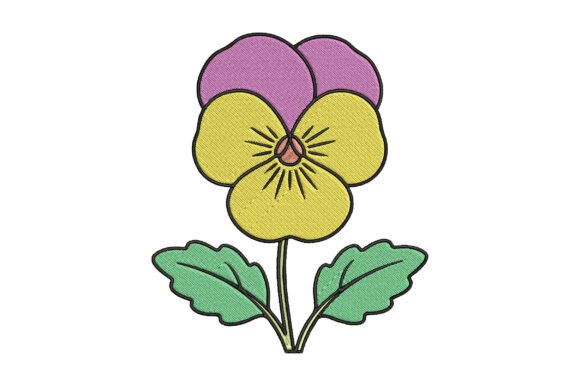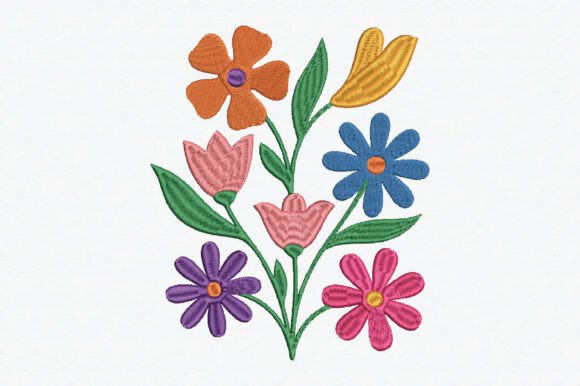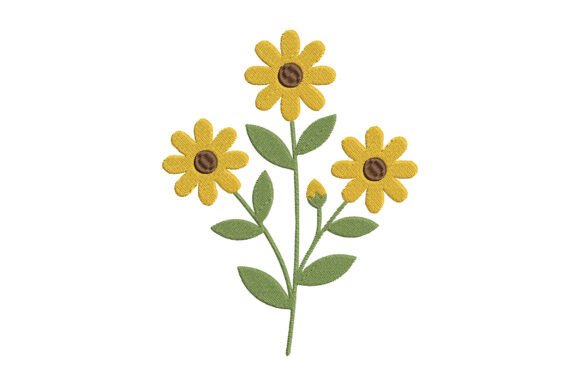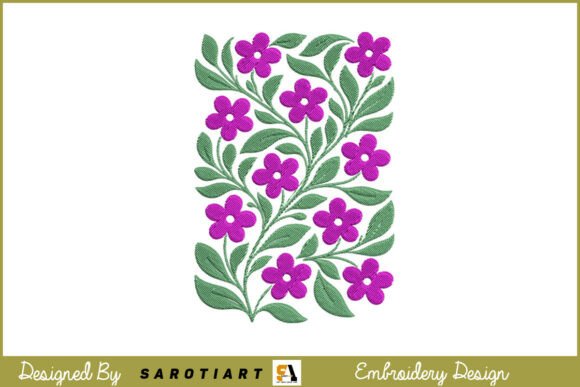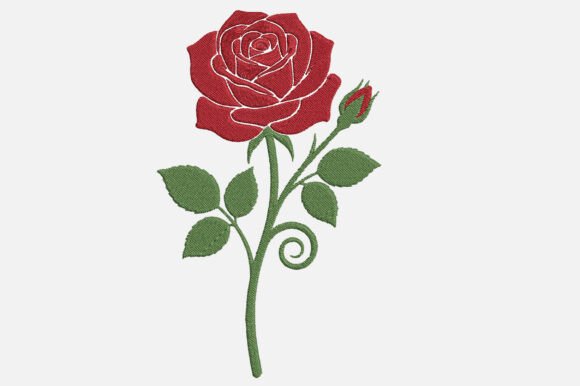
Embroidery Rose Flower Design Review
As an experienced embroidery designer who has spent countless weekends prepping for craft fairs and managing a busy handmade shop, I know that the difference between a design that sits on a shelf and one that flies off the table often comes down to practical execution. Today, I am reviewing the Embroidery Rose Flower Design, a floral machine embroidery file described as delicate and detailed. My goal is to determine if this piece is ready for the rigors of a weekend market booth or if it needs more testing before it becomes a bestseller.
The First Impression: Elegance Meets Market Appeal
When you first look at the description of this Embroidery Rose Flower Design, the words "delicate" and "detailed" immediately signal a classic aesthetic. In the crowded world of craft fair products, there is always a demand for items that feel premium and timeless. A rose pattern suggests elegance, making it a versatile choice for various customer demographics. It does not scream trendy; instead, it whispers sophistication. This makes it an ideal candidate for handmade product lines targeting customers who appreciate traditional craftsmanship.
I imagine placing this design on a display table covered in linen. The visual appeal would be strong because roses are universally recognized symbols of beauty. However, for an Etsy seller or a boutique maker, the key question is whether this design translates well from a digital screen to physical fabric. The description mentions it is perfect for adding a classic touch, which implies it should work well as a focal point rather than just a tiny accent. If the stitch density is high enough to hold its shape but soft enough to drape naturally, this could be a flagship item for your collection.
Product Potential: Where This Design Shines
To truly judge the value of this embroidery file, we must look at where it performs best in a real-world setting. Based on my experience with similar designs, here is how the Embroidery Rose Flower Design might perform across different categories:
- Tote Bag Design: This is perhaps the strongest application. A large, detailed rose on a canvas tote bag creates an instant statement piece. Customers love these for grocery runs or beach trips, and the sturdy fabric supports the weight of a detailed stitch pattern without puckering.
- Apron Embroidery: For kitchen-themed booths, this design adds a rustic yet refined charm. Placing the rose on the bib of a linen apron elevates the perceived value of the item, allowing you to charge a higher price point.
- Tea Towel Embroidery: These are impulse buy items at craft fairs. A single flower centered on a tea towel looks charming and fits perfectly into farmhouse decor trends.
- Pillow Covers: As a decorative element, this design can transform a plain pillow cover into a luxury home accessory. It works exceptionally well when paired with neutral fabrics like cream, sage, or charcoal.
- Embroidered Patch: If the design has a clean outline, it could be digitized as a patch for jackets or bags, expanding your reach beyond home goods.
- Caps and Pouches: While possible, these require careful consideration of the curve and size. A small version of the rose works well as a subtle logo on a cap pocket.
Photography and Online Listings
For any digital embroidery file seller or creator, the ability to photograph the finished product is crucial. The Embroidery Rose Flower Design should photograph beautifully because flowers have natural depth. When creating a printable mockup for your Etsy listing, ensure you capture the texture of the stitches. Close-up shots will show potential buyers the quality of the stitch density and the definition of the petals. If the design is too dense, it may look muddy in photos; if it is too sparse, it may look unfinished. The balance described in the product title suggests it hits the sweet spot for high-quality imagery.
Production Reality: What You Need to Know
Before you start mass-producing items for your next market, there are several practical hurdles to clear. As a professional, I cannot stress enough the importance of testing. The description highlights that the design is "detailed," which often means there are many small elements that could get lost during production.
You must verify the hoop size requirements. If the design is meant to be a large focal point, you will need a larger hoop, which limits the types of garments you can embroider. Conversely, if it is intended as a smaller accent, ensure it remains visible on small items like pouches. Additionally, check the thread colors. A delicate rose often requires multiple shades to create dimension. Using only two thread colors might make the design look flat, reducing its commercial embroidery potential.
Another critical factor is the stabilizer. Delicate designs on lightweight fabrics like silk or thin cotton require heavy-duty stabilizers to prevent distortion. On textured towels, the needle might struggle to penetrate thick loops, leading to skipped stitches. Always test on scrap fabric that matches the final product's weight and texture. If the fabric is too dark, the light threads of the rose may disappear, so color contrast is essential.
Common Pitfalls to Avoid
Even a beautiful design can fail if the technical execution is flawed. Be wary of dense stitch areas that might cause the fabric to pucker, especially on curved surfaces like caps. Tiny details in the center of the flower might become indistinguishable if the design is scaled down too much. Furthermore, if you plan to sell this as a small shop product in bulk, consider the time required to hooping and stitching each item. If the design takes 45 minutes to stitch, your profit margins will shrink unless you price accordingly.
Strategic Selling and Brand Consistency
Ultimately, the success of the Embroidery Rose Flower Design depends on how well it fits your brand identity. If your booth sells modern, minimalist items, a highly detailed, vintage-style rose might feel out of place. However, if your brand leans towards cottagecore, romantic, or traditional aesthetics, this design is a perfect fit. It enhances the finished product by adding a layer of artisanal quality that machine-printed items simply cannot match.
When displaying your goods, group the rose-embroidered items together. A tote bag, a pillow, and a set of tea towels all featuring the same design create a cohesive visual story that draws customers in. This consistency builds trust and encourages buyers to purchase multiple items. Remember to include care instructions with every sale, as embroidered items require gentle washing to maintain their beauty.
Final Verdict for Crafters and Sellers
The Embroidery Rose Flower Design shows great promise for anyone looking to expand their single flowers category. Its classic nature ensures it will remain relevant season after season, unlike fleeting trends. However, success relies on rigorous testing. Before launching your full inventory, confirm the commercial licensing terms, inspect the stitch density, and create at least one real mockup to evaluate the final look.
If you take the time to optimize the production process—selecting the right fabric texture, using the correct thread colors, and ensuring proper stabilization—this design can become a cornerstone of your handmade product line. It offers the perfect blend of elegance and practicality, making it a smart investment for any serious embroidery business owner or creative entrepreneur ready to take their booth to the next level.