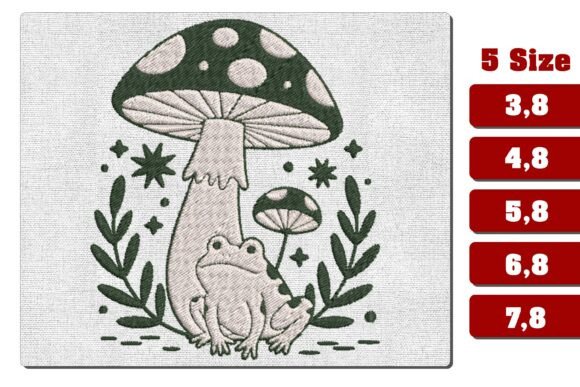
Cottagecore Frog and Mushroom Embroidery Review
As a professional embroidery designer who spends hours every day testing files for both personal projects and commercial Etsy listings, I approach every new download with a mix of excitement and skepticism. Recently, I came across the Cottagecore Frog and Mushroom Embroidery design on Creative Fabrica, and it immediately caught my eye. The cottagecore aesthetic has been booming in the handmade community, but finding designs that balance whimsy with technical stitch quality is often a challenge. This review is based on my intention to use this specific file for a real customer order: a custom baby blanket featuring baby animals.
The First Impression: Mood and Visual Appeal
When you first open the preview of Cottagecore Frog and Mushroom Embroidery, the atmosphere is undeniably peaceful. It captures the essence of a quiet meadow scene perfectly. The character design features a charming, wide-eyed frog resting near mushrooms, which fits seamlessly into the "Baby Animals" category while maintaining a broader appeal for nature lovers. Unlike some generic animal files that can look stiff or cartoonish, this design feels organic and soft.
The visual mood suggests a high level of decorative appeal. For an embroiderer, the immediate question is always about the stitching personality. Does it rely too heavily on solid fill stitches that might create bulk? Or does it utilize running stitches and satin lines to create texture? From the initial inspection, the design appears to have a balanced composition. The frog's eyes and the gills of the mushroom are likely rendered with fine details that could translate beautifully onto fabric. This kind of charm is exactly what buyers look for when purchasing personalized gifts or boutique merchandise.
Real-World Application: Where Can You Use This Design?
I frequently consider how a digital embroidery file will perform across different product types before committing to a production run. Cottagecore Frog and Mushroom Embroidery is versatile enough to be used in several key areas of the handmade market.
- Apparel Decor: This design would work wonderfully on a sweatshirt embroidery project placed on the chest or back. The cottagecore theme pairs exceptionally well with flannel shirts or cozy knits. It also translates effectively to a tote bag design, adding a unique touch to canvas bags that customers love.
- Nursery and Baby Items: Given its classification under baby animals, this file is a natural fit for a baby blanket or a onesie. The soft imagery aligns perfectly with nursery decor needs, offering a gentle alternative to bold, modern patterns.
- Home Textiles: Imagine this stitched onto a kitchen towel or a pillow cover. The rustic yet magical vibe adds character to a farmhouse-style kitchen or a reading nook.
- Commercial Products: For those selling finished goods at craft fairs, this design offers strong potential for embroidered patches or caps. However, the success here depends entirely on the density and size of the elements.
Technical Considerations and Stitching Challenges
While the concept is beautiful, putting a machine embroidery design onto physical fabric requires careful planning. I always advise checking the stitch density before starting a commercial job. If the frog or mushrooms have large areas of fill stitch, they might become stiff or difficult to hooping properly on stretchy fabrics like t-shirts or sweatshirts.
One critical factor is the hoop size. Many cottagecore designs rely on intricate details that can get lost if the final embroidery area is too small. If you plan to use this as an embroidered patch or on a cap, you must ensure the design scales well without losing the definition of the frog's eyes or the mushroom texture. Conversely, on a larger item like a blanket, the detail will shine, but you need to account for the stabilizer required to prevent puckering.
Fabric choice is another vital component. While this design looks great on light-colored cotton or linen, using it on dark fabric presents a challenge. You may need to layer a tear-away stabilizer or use a specific thread color strategy to ensure the details pop. Additionally, if you intend to machine wash the finished product frequently, such as a baby blanket or apron, you must inspect the small details after stitching to ensure there are no loose threads that could snag during washing.
Impact on Product Value and Brand Consistency
In the world of creative entrepreneurship, the quality of your design assets directly influences buyer trust. A well-executed digital embroidery file elevates a simple handmade product into a premium item. When a customer receives a tote bag or a pillow cover featuring Cottagecore Frog and Mushroom Embroidery, they are not just buying a pattern; they are buying the story and the aesthetic associated with the cottagecore lifestyle.
This design enhances product photography significantly. The whimsical nature of the frog and mushrooms creates a natural focal point that photographs beautifully, increasing engagement on social media platforms where you showcase your shop. Furthermore, using a cohesive design style helps maintain brand consistency. If your shop specializes in nature-inspired, soft, and magical items, this file reinforces that identity.
However, it is important to remember that the finished product relies on your execution. Even the best design file cannot compensate for poor tension settings or inadequate stabilizers. To ensure your handmade product stands out, you should test the design on scrap fabric first. Check the thread colors against your chosen material to confirm contrast. If the design includes text, verify that the lettering remains legible and isn't compromised by the surrounding imagery.
Practical Steps Before You Start Stitching
Before downloading and stitching, there are several practical steps to take to guarantee success. First, review the file details and licensing terms on the Creative Fabrica product page thoroughly. Understanding whether you can sell finished items made with this embroidery file is crucial for commercial projects.
- Test on Scrap Fabric: Always run a test stitch-out on a piece of scrap fabric similar to your final project material. This reveals any issues with density or registration.
- Check Stabilizer Requirements: Determine if the design requires cut-away or tear-away stabilizer based on the fabric type. For stretchy materials like jersey, a heavier stabilizer is often necessary.
- Inspect Small Details: Zoom in on the design file to see if tiny elements like the frog's toes or mushroom spots are clear. These are often the first things to disappear in a poorly digitized file.
- Compare Mockups: Create printable mockups to visualize how the design looks on different products, such as a cap versus a sweatshirt. This helps you decide which product line to prioritize.
Ultimately, Cottagecore Frog and Mushroom Embroidery has the potential to be a standout asset for your creative business. It offers a blend of charm and technical viability that appeals to a wide audience, from parents looking for nursery decor to crafters seeking unique apparel accents. By approaching the digitization process with care and attention to detail, you can transform this digital asset into a tangible, beloved piece of art that resonates with your customers.