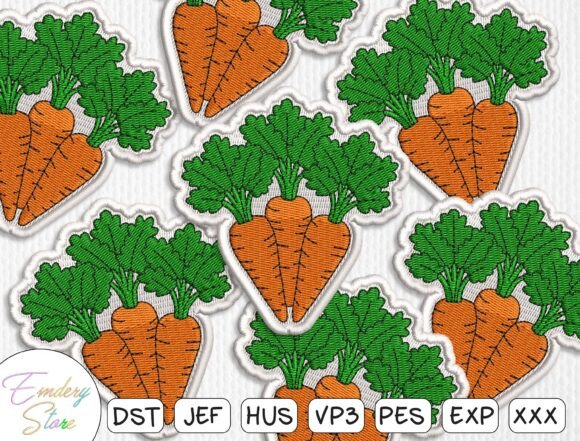
Carrot Bunch Patches Embroidery Design Review
When I first opened the file for the Carrot Bunch Patches Embroidery Design, my immediate reaction was a smile. In a sea of generic floral patterns and abstract shapes, this piece stands out because it feels grounded in reality while maintaining a playful charm. As someone who has spent years reviewing embroidery files for both personal hobbies and commercial client work, I know that a design's success isn't just about how it looks on a screen; it is about how it behaves under the needle and how it translates to a finished product.
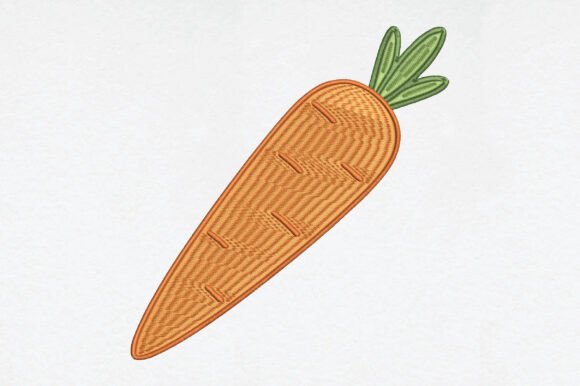
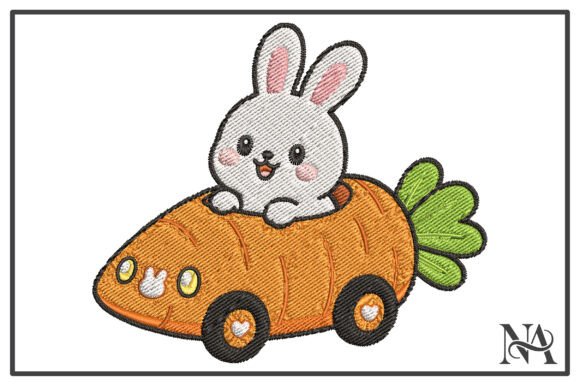
This collection promises "freshness," and honestly, the visual personality of the design delivers on that promise. The vibrant bunches of carrots with their lush green tops create a mood that is cheerful, organic, and inviting. It immediately suggests a connection to nature, farming, or a cozy kitchen aesthetic. For designers looking to add a touch of warmth to their portfolio, this embroidery design offers a distinct advantage: it bridges the gap between rustic charm and modern graphic appeal.
A Real-World Test: The Custom Tote Bag Scenario
To truly understand the potential of this file, I put myself in the shoes of a small business owner preparing for a craft fair. Imagine you are creating a line of eco-friendly tote bags for a local farmers' market. You need something that screams "organic" without being cliché. This Carrot Bunch Patches Embroidery Design fits that brief perfectly.
I visualized placing the design on a sturdy canvas tote. The shape of the carrot bunch is naturally contained, making it an ideal candidate for a central chest placement or a lower corner accent. Unlike designs with sprawling branches that might get lost on a curved surface, this bunch has a defined structure. When stitched, the contrast between the orange roots and the green foliage would pop against neutral fabrics like beige, cream, or even a deep navy blue.
However, practical experience tells us that not every application works equally well. If you were planning to use this as a tiny logo on a baseball cap, you might run into issues with the detail level. The leaves have enough texture to require some space to breathe. On a curved, small surface like a cap front panel, those details could blur together, losing the "lush" quality described in the product title. For a hat, I would recommend scaling it up slightly or simplifying the leafy tops if the hoop size is limited.
Stitch Quality and Fabric Compatibility
The technical execution of a design is where many creators stumble. While I cannot see the exact stitch count without opening the proprietary file, the visual density of the Carrot Bunch Patches Embroidery Design suggests a mix of satin stitches for the smooth carrot bodies and fill stitches for the textured greens. This combination is crucial for a realistic look.
If you are working with stretchy fabrics like jersey knit for baby clothes or sweatshirts, you must be cautious. Dense fill areas can sometimes cause puckering if the stabilizer choice isn't perfect. For a soft baby onesie, this design would be adorable, but I strongly advise using a cut-away stabilizer to ensure the fabric doesn't distort after washing. The "harvest" theme pairs beautifully with cotton blends found in aprons and tea towels, which provide a stable base for intricate stitching.
One specific area to watch is the thread color contrast. The description highlights "vibrant" colors, which means the thread selection is key. If you choose threads that are too similar in value (e.g., a pale orange on a light background), the definition will vanish. Conversely, high contrast between the green tops and the orange roots creates a dynamic visual that catches the eye from a distance. This is vital for commercial embroidery projects where brand recognition matters.
Where to Use and Where to Pause
Not every project is a match for this design. While it shines on flat surfaces like pillow covers, blankets, and kitchen towels, there are scenarios where it might struggle. Small hoop sizes are a primary limitation. If your machine has a 4x4 hoop and the design pushes the boundaries, the corners of the leaves might get cut off, ruining the composition. Always check the recommended hoop size before starting production.
Textured fabrics present another challenge. If you attempt to embroider this on a heavy corduroy or a rough burlap, the needle might struggle to penetrate, or the stitches may not lay flat. Similarly, thin fabrics like silk or lightweight rayon are risky unless heavily stabilized. The weight of the embroidery itself could pull the fabric down, creating an uneven finish that detracts from the professional look you want.
For dark fabrics, the design requires careful consideration of the underlay. Without a proper underlay layer, the bright orange and green threads might not cover the dark background completely, leading to a muddy appearance. In these cases, testing on scrap fabric is non-negotiable. You need to verify that the stitch density is sufficient to hide the base material while maintaining the crisp edges of the carrot shape.
Impact on Product Value and Branding
From a business perspective, the choice of design directly influences customer perception. A well-executed Carrot Bunch Patches Embroidery Design elevates a simple item into a premium handmade product. Customers paying for artisan goods expect attention to detail. When they see a clean, vibrant carrot bunch on a tote bag or a nursery wall hanging, they perceive the brand as thoughtful and high-quality.
This design is particularly effective for personalized gifts. Imagine a custom apron for a home cook or a set of embroidered patches for a gardening club. The thematic relevance adds a layer of emotional connection that generic patterns lack. It signals that the creator understands the recipient's interests, which fosters trust and encourages repeat purchases.
For Etsy sellers and digital product creators, this asset offers versatility. You can use it in printable mockups to showcase your services, or sell the finished physical items as part of a seasonal collection. The "Food" category is evergreen, especially during harvest seasons or holidays, making this design a strategic addition to any inventory. However, remember that consistency is key. Ensure that the style of this design aligns with your other offerings so your shop maintains a cohesive brand identity.
Essential Designer Notes Before You Stitch
Before you rush to start your next embroidery project, keep these practical tips in mind to ensure the best results:
- Test on Scrap First: Never start on your final product. Run the Carrot Bunch Patches Embroidery Design on a scrap of the same fabric and stabilizer combo to check for puckering, tension issues, or color bleeding.
- Review Stitch Density: Examine the file settings. If the density seems too high for the fabric type, consider adjusting the settings or choosing a lighter stabilizer to prevent bulkiness.
- Check File Formats: Ensure your embroidery machine supports the specific file format provided. Different machines speak different languages, and compatibility issues can lead to wasted time.
- Confirm Licensing: If you plan to sell finished items or digital previews, double-check the licensing terms. Some designs allow personal use only, while others permit commercial sales. Knowing this upfront protects your business from legal trouble.
- Mockup in Black and White: Create a grayscale version of the design to ensure the contrast holds up even if the colors shift or fade over time. This helps visualize the structural integrity of the pattern.
- Inspect Small Details: Zoom in on the digital preview. Are the leaf tips sharp? Is the root taper clear? If details are too fine for your machine's resolution, you may need to simplify the design manually.
Ultimately, the Carrot Bunch Patches Embroidery Design is a strong contender for anyone looking to add a touch of rustic elegance to their creations. Whether you are decorating a baby's room, launching a boutique clothing line, or crafting a unique holiday gift, this design offers the flexibility and charm needed to stand out. By approaching it with the right preparation and technical care, you can transform a simple digital file into a cherished, high-value handmade product.