Blue Daisy Embroidery Design Review for Craft Fairs
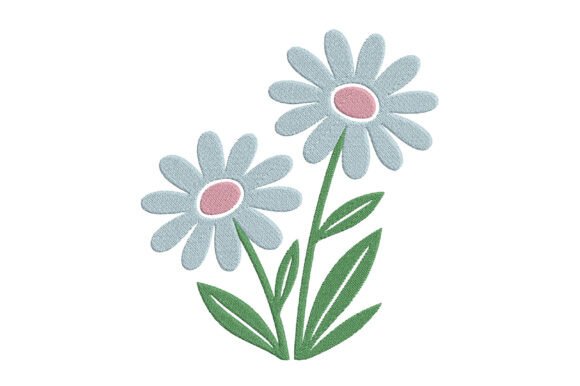
As an experienced embroidery designer preparing my booth for a busy weekend craft fair, I constantly evaluate which digital files will translate into best-selling physical products. When I first encountered the Blue Daisy Embroidery Design, my immediate reaction was one of quiet optimism. In a market often dominated by loud florals or rustic burlap aesthetics, this design offers a fresh and calming touch to your projects. The description promises a charming daisy flower in soft blue tones, bringing a unique and elegant twist to any item. But does it hold up under the harsh light of a vendor table? Can it stand out among hundreds of other handmade goods? After simulating its application on various items, here is my professional assessment.
First Impressions: A Soft Blue Statement
The visual identity of the Blue Daisy Embroidery Design leans heavily into the modern farmhouse and boutique aesthetic. It feels neither too bold nor too minimal, striking a perfect balance that appeals to a wide demographic. The soft blue tones suggest tranquility and sophistication, making it ideal for customers who want something decorative without being overwhelming. Unlike generic white daisies, the specific colorway adds a premium feel that elevates the perceived value of the finished product. For an Etsy seller or a boutique maker, this design asset acts as a subtle brand marker—clean, recognizable, and distinctly feminine.
When viewed as a standalone image, the design appears crisp. However, the true test lies in how it interacts with fabric texture and thread contrast. The elegance of the daisy relies on the stitch density and the smoothness of the petals. If executed correctly, it photographs beautifully for online listings, offering a clear focal point that draws the eye immediately. It feels like a high-quality addition to a collection of Single Flowers, designed specifically to bring a sense of calm to a chaotic crafting environment.
Product Potential: Where This Design Sells Best
To maximize sales at a craft fair, you must place the right design on the right surface. My analysis suggests that the Blue Daisy Embroidery Design performs exceptionally well on tote bags and apron embroidery projects. On a canvas tote bag, the soft blue contrasts elegantly against natural beige or crisp white cotton, creating a sophisticated look that shoppers are willing to pay a premium for. The design works perfectly as a small accent on the corner of a tote or as a larger focal point on the front panel.
Kitchen textiles are another lucrative category. Tea towel embroidery featuring this daisy can transform a simple linen piece into a giftable handmade item. The floral motif fits seamlessly into home decor trends, appealing to buyers looking to add a touch of nature to their kitchen. Similarly, for those producing embroidered patches, this design offers a clean outline that holds up well when cut out and ironed or sewn onto denim jackets or caps. The simplicity of the single flower ensures that even when scaled down for a cap logo, the details remain visible and distinct.
I also see strong potential for small pouches and pillow covers. A set of three matching pillow covers with this design creates a cohesive display on a booth table, encouraging bulk purchases. For the digital embroidery file seller, this pattern is versatile enough to be used in printable mockups for Etsy listings, allowing customers to visualize the final result before buying. Whether you are a machine embroidery enthusiast or a commercial producer, the versatility of this design makes it a staple for small shop products.
Production Practicality and Batch Efficiency
From a production standpoint, efficiency is key to profitability. The Blue Daisy Embroidery Design appears to be structured for batch production. Its clean lines and lack of excessive fill stitches mean it should run relatively quickly on the hoop, reducing machine time and labor costs. This is crucial for craft fair sellers who need to produce inventory rapidly before an event.
The design is adaptable for both small accents and large focal points. You can stitch it as a tiny detail on a tea towel or expand it for a large market bag. However, the clarity of the design depends heavily on the thread colors chosen. Using a high-contrast thread, such as a navy or slate blue on white fabric, will ensure the daisy pops. Conversely, using pastel threads on light fabrics might wash out the details, diminishing the "unique and elegant twist" promised in the product description.
Photographing this design for online listings requires attention to lighting. Because the tones are soft, direct flash can flatten the texture. Instead, use natural light to highlight the dimensionality of the stitches. This helps convey the handmade quality to potential buyers browsing your digital storefronts.
Careful Use Notes and Technical Limitations
While the design is promising, there are specific technical considerations to keep in mind. Dense stitch areas can sometimes cause puckering if the stabilizer is not adequate. Before running a full production run, it is vital to check the stitch density and ensure the fabric texture supports the design without distorting. Textured towels, while popular, can hide fine details; if the daisy has tiny inner petals, they may disappear on a heavy terry cloth surface.
Curved surfaces like baseball caps present another challenge. The curvature can stretch the fabric, potentially warping the symmetry of the flower. For these applications, a smaller version of the design might work better than the full-scale pattern. Additionally, dark fabrics require careful consideration of thread opacity. A standard blue thread might not show up well on black or navy material unless a white underlay is used effectively.
Small lettering or intricate details within the flower center could lose clarity if the design is digitized too finely. Always inspect the design at actual size to ensure that no elements are too small to be stitched clearly. If the design includes tiny gaps between petals, ensure your needle and thread are appropriate to prevent tangling or breakage.
Professional Designer's Checklist for Success
To ensure the Blue Daisy Embroidery Design delivers the expected results, follow these essential steps before selling your finished product. First, always test the design on scrap fabric that matches your intended end product. This allows you to assess the thread contrast and spacing in real-time. Second, review the hoop size requirements to avoid unnecessary trimming or re-hooping during production.
Inspect the stitch density closely. If the design feels too dense, it may create a stiff hand-feel on garments like aprons or caps. Use the right stabilizer for your fabric type; a tear-away might be sufficient for woven cotton, but a cut-away may be needed for stretchy knits. Create at least one real mockup of your booth display to see how the design looks in a crowded environment. Compare different fabric colors to find the palette that maximizes the "calming touch" described in the listing.
Finally, confirm commercial licensing terms before turning these designs into commercial embroidery products. Ensure you have the rights to sell items made with this digital embroidery file. By adhering to these guidelines, you can confidently offer the Blue Daisy Embroidery Design as a high-quality option for craft fairs, ensuring it stands out as a premium, handmade product that customers love.